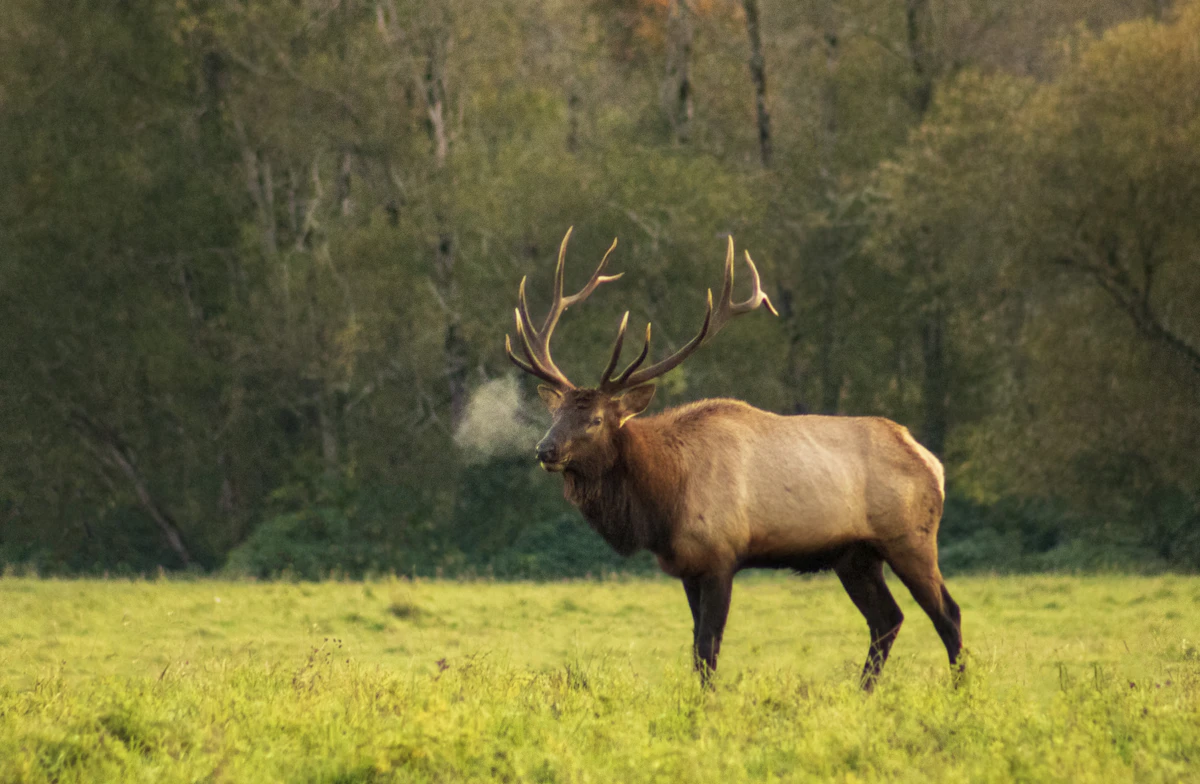
The Elk That Changed Everything
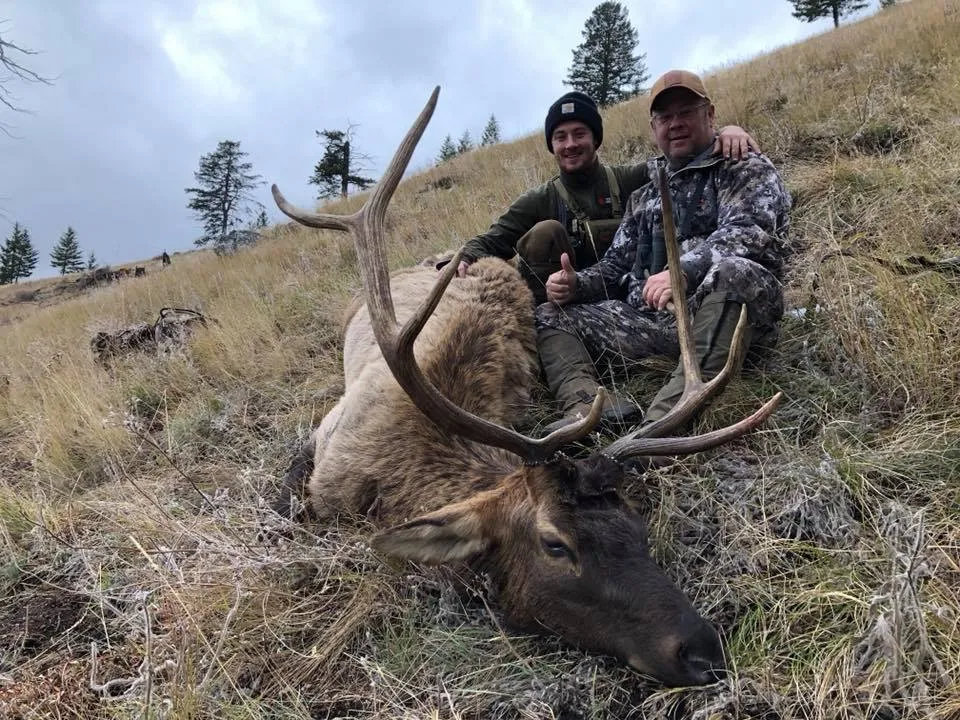
I still remember standing in the shop, hands wrapped around that Christensen Mesa in 7mm Rem Mag. The rifle just felt right—solid, simple, exactly what I wanted as I set out for my first elk hunt. I didn’t overthink the choice or pore over ballistics tables; I just wanted something dependable, something that would do the job when the moment finally came. What I couldn’t know then was that this rifle would become more than just a tool. It would be the spark for a journey that changed not only how I hunt, but how I see the whole process of chasing elk out West.
Idaho’s Wild Country and a Hunt for the Ages
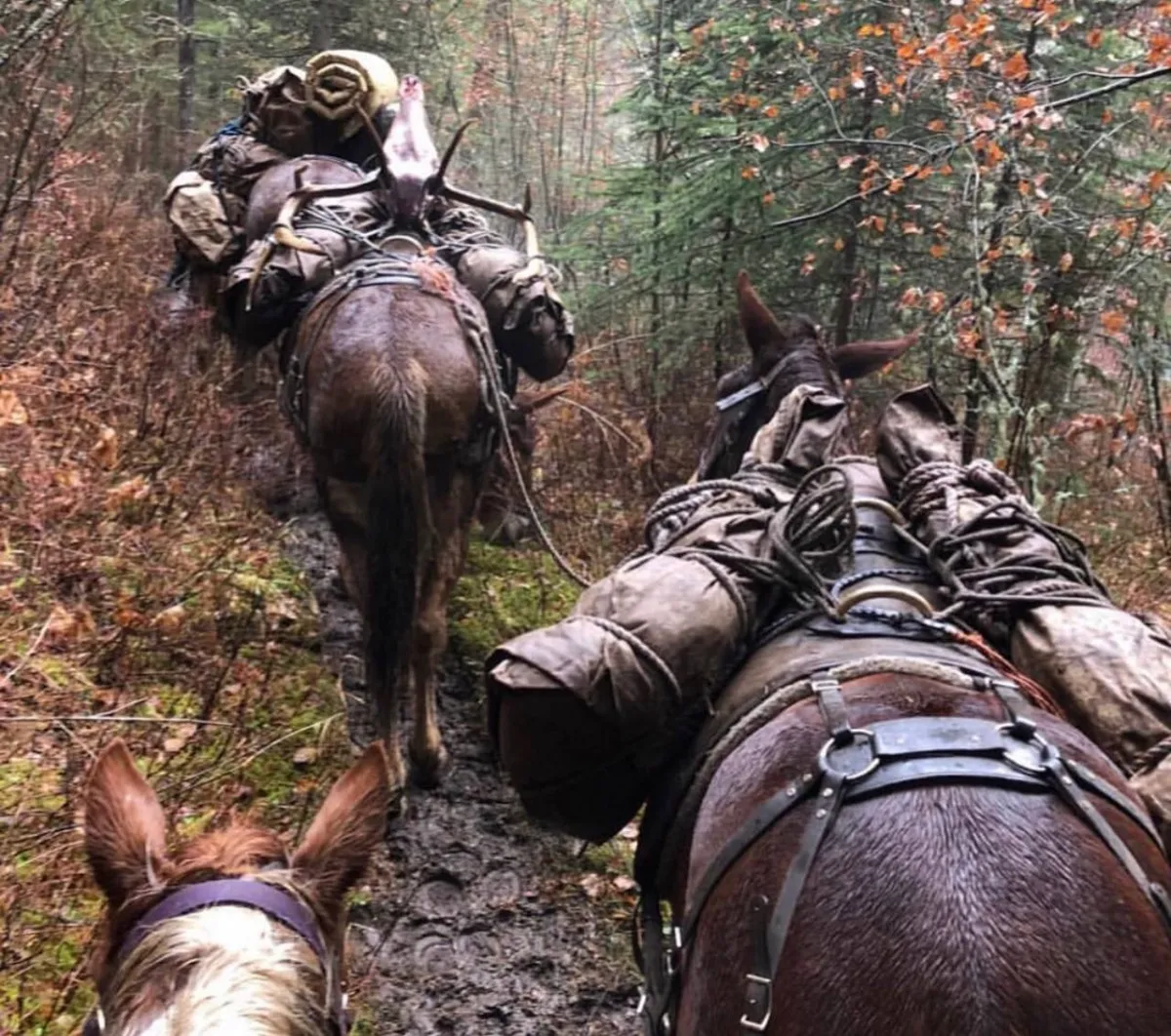
That first elk hunt was guided, and I had my son by my side, which made every step into Idaho’s vast country mean a little more. We rode horses deep into timber and canyons where the world shrinks down to the sound of hoofbeats and your own breath in the frosty air. Mornings started cold and silent, and that stillness sticks with you—every snap of a twig, every shift of the wind, matters out there. We hunted hard, day after day, and as each one slipped by, it started to feel like maybe our elk would have to wait for another season. Then, on the very last day, fortune finally showed up.
 We were working up a rough trail, me on foot after stepping down from my horse, rifle slung at my side. I’ll admit, I wasn’t ready. No round in the chamber, just thinking about another day in the timber. Suddenly, a 4x4 bull stepped out—one of those moments where your brain lags behind your eyes. He saw us, turned, and started to move. In a blur, I dropped my pack, got two rounds into the rifle, and brought it up. The first shot hit high, but I stayed in the scope, cycled the bolt, and sent another round. That second shot found its mark. The bull dropped, tumbled down the slope, and came to rest just off the trail. In an instant, the week’s work and anticipation turned into something real.
There’s a quiet after the shot that’s hard to describe; it’s a mix of adrenaline, relief, and respect. But that’s when the real work begins. We processed the elk right there on the mountain, using the gutless method, taking our time to do it right. The backstraps came off clean and went down with one of the guys, while the guide returned later with mules for the rest. That night’s dinner—fresh backstrap cooked over the fire—remains the best I’ve ever had, in the backcountry or anywhere else.
The Tradition and the Challenge That Followed
More than the bull or the shot, what stays with me is that I shared this with my son. That hunt became the start of a tradition. From then on, every fall meant packing up and heading west—Colorado mostly—hunting with family and good friends. Elk camp became something we all looked forward to, year after year. But there was one part of the process that always left me scratching my head: the draw system.
Every state seemed to have its own rules, odds, and hidden complexities. I tried to make sense of it all with spreadsheets and best guesses, but it always felt like I was rolling the dice. The more I talked to other hunters, the more I realized I wasn’t alone in that confusion. That frustration was the seed for something bigger. Around campfires and kitchen tables, my partners and I kept coming back to the same question—why shouldn’t there be a better way?
Building Something New, Together
That’s where TAGZ was born. We didn’t want to build just another tool; we wanted to create something that gave hunters real clarity and confidence about their options. Looking back, it’s clear that first Idaho bull wasn’t just a trophy—it was a turning point. It started a tradition, deepened my bond with my son, and set me on the path to help other hunters find meaning and success in the West. I’d love to hear your story, too. Share your first elk hunt, or the hunt that changed everything for you. After all, it’s these stories that keep the tradition alive.
Was this article helpful?
Previous
Colorado Group Applications Are Changing in 2028… And Most Hunters Aren’t Ready
Starting in 2028, Colorado is revamping its group application process for big-game hunts, emphasizing randomness and altering point strategies. Hunters need to reconsider their traditional group approaches to adapt to these changes.
Next
Key Takeaways from CPW Podcast with Andy Holland
A clear breakdown of CPW Big Game Manager Andy Holland’s insights on point systems, OTC changes, elk behavior, moose difficulty, and why these shifts matter for TAGZ users.