Key Takeaways from CPW Podcast with Andy Holland
We recently listened to the latest Colorado Outdoors podcast episode featuring Andy Holland, Colorado Parks and Wildlife's statewide Big Game Manager. It's a fantastic discussion that covers everything from elk behavior to long-term herd trends, trophy vs. opportunity tags, and upcoming changes to the draw system.
A big shout-out to CPW and the Colorado Outdoors podcast team for producing such an insightful conversation, and to Andy for sharing decades of firsthand experience that helps hunters understand what's really happening on Colorado's landscape.
Listen to the full episode here
Below, we've distilled the most relevant takeaways for TAGZ users.
Draw System Updates
Weighted Points Becoming Bonus Points
Starting in 2028, Colorado will replace weighted points with bonus points for bighorn sheep, mountain goat, and moose. Andy was emphatic: this changes almost nothing. CPW ran extensive simulations showing that weighted and bonus point systems produce nearly identical draw curves over time.
Keep applying exactly as you have been. There's no strategic advantage to changing your approach.
The Moose Draw Reality
A bull moose license remains the most difficult tag to draw in Colorado. Tens of thousands of applicants compete annually for just a few hundred licenses.
Andy highlighted an overlooked opportunity: cow moose tags. If you want the moose hunting experience, cow tags offer similar hunting quality with dramatically better draw odds. Moose populations are expanding into new areas, and CPW continues opening additional units, which means license availability should grow slowly but steadily.
OTC Elk Licenses Continue Declining
OTC elk opportunities will keep shrinking. This shift reflects CPW's evolving priorities around healthier herd structures, reduced habitat pressure, and higher-quality hunting experiences with more balanced harvest.
The tradeoff is real. Fewer OTC tags means fewer spontaneous hunts where everyone can grab a tag and head to the mountains. But the outcome CPW is betting on is more sustainable herds and better long-term hunting quality. For hunters who grew up with unlimited OTC access, this feels like loss. But it's a necessary recalibration as Colorado's population grows and hunting pressure intensifies.
Field Intelligence: What Experienced Hunters Know
Elk Adapt to Weapon Types
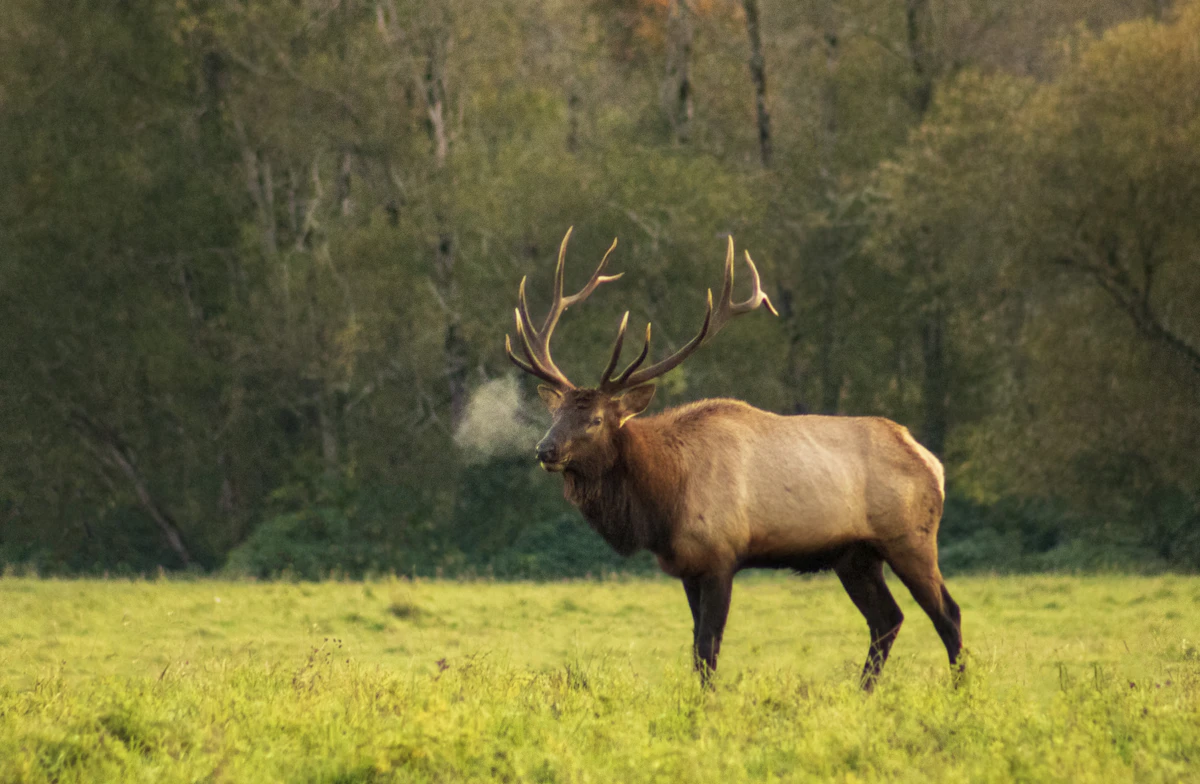
Elk don't just react to hunting pressure, they adapt their behavior based on weapon types and seasonal patterns. During archery and muzzleloader seasons, elk move into open alpine terrain where distance protects them. During rifle seasons, they drop into dense timber. Late in the season, they shift between private and public land boundaries, reading pressure patterns and exploiting refuge areas.
Elk also retain generational knowledge. They learn traffic patterns, detect increases in human activity days before a season opens, and adjust their routines accordingly. Veteran cows aged 15 to 20 years have experienced every season structure and weapon type imaginable. These cows know where refuge boundaries are, how hunters typically approach drainages, and which patterns are dangerous. They function as herd strategists, guiding younger elk based on decades of survival knowledge.
Moose Are Harder Than They Look
Despite their size and slower movement, moose are significantly more challenging to hunt than most hunters expect. Andy compared hunting moose to hunting "a great big whitetail," a surprisingly accurate analogy. After participating in 10 moose hunts, he's learned that moose are unpredictable in their movements, highly sensitive to pressure, and reliant on dense cover. Their size makes them visible from a distance, but closing the gap often proves frustratingly difficult.
Why TAGZ Tracks These Changes
Episodes like this remind us why TAGZ exists: the hunting landscape is constantly shifting. Draw systems change, herd dynamics evolve, regulations adapt, and opportunities shift between states and seasons.
Our platform reflects these changes in real time. When CPW adjusts license allocations, when moose populations expand into new units, when OTC opportunities shrink, TAGZ updates immediately so you can make informed decisions about where to apply and when to hunt.
Understanding why the numbers look the way they do makes you a smarter applicant. Knowing that elk shift behavior by weapon type informs which elevation bands you hunt during archery versus rifle. Recognizing moose complexity helps set realistic expectations before you burn a once-in-a-lifetime tag.
TAGZ exists to help you navigate these shifting conditions with clarity, strategy, and confidence.
Was this article helpful?
Previous
The Elk That Changed Everything
A last-day Idaho elk hunt with my son sparked a lifelong passion, inspired new traditions, and ultimately led to building TAGZ to help other hunters navigate the draw.
Next
TAGZ Briefing: October 2025
Your monthly roundup of Western big game hunting news, including Montana’s two-year regulation proposal cycle, critical October updates from Utah, Colorado, and Arizona, and key opportunities opening for the winter draws.